

Posted by Editorial Team
on September 06, 2026

Table of Contents
- How We Picked the Best Biohacking Supplements for 2026
- The Top Biohacking Supplements 2026 Reviews: Our Shortlist
- Mito Stack Review: Mitochondrial Support Supplements That Deliver
- How to Build a Biohacking Supplement Stack Without Waste
- The Safety of Biohacking Supplements: What to Check First
- Which Biohacking Supplement Should You Try First?
- Conclusion
- Frequently Asked Questions
Last Updated: September 6, 2026
The supplement market is flooded with products claiming to enhance human performance, yet many fail to address the biological systems that actually drive energy and cognition. Biohacking supplements represent a shift toward targeted, evidence-based interventions designed to optimize mitochondrial function, cellular health, and cognitive performance. This guide cuts through the noise to evaluate what works, what wastes money, and how to build a stack that delivers measurable results in 2026.
The best biohacking supplements 2026 reviews consistently point to one conclusion: the most effective products target mitochondrial health and NAD+ production rather than relying on stimulants. Unlike traditional energy supplements that spike and crash, mitochondrial support supplements work at the cellular level to improve how your body produces and uses energy. Below, we break down the top contenders, the science behind them, and the specific protocols that separate meaningful results from expensive placebo effects.
How We Picked the Best Biohacking Supplements for 2026
Our selection process prioritizes clinical evidence, ingredient quality, and third-party testing over marketing claims. We evaluated each candidate against four criteria: mechanism of action, bioavailability, safety profile, and the quality of human clinical data supporting its use. Many products fail at the first hurdle because they contain compounds that cannot cross biological barriers effectively or lack the pharmacokinetics needed to raise serum levels meaningfully.
The regulatory landscape matters here too. Dietary supplements fall under FDA oversight for good manufacturing practices, but the FDA guidance on dietary supplement quality makes clear that manufacturers are responsible for ensuring product safety and labeling accuracy. We therefore require third-party testing verification and transparent labeling from any product we recommend.
A common mistake is assuming more ingredients equal better results. In practice, synergistic stacking of a few well-studied compounds outperforms broad-spectrum formulas that use sub-therapeutic doses of everything. We favor products with clinically studied doses of key ingredients over those with lengthy ingredient lists designed to look impressive on paper.
The Top Biohacking Supplements 2026 Reviews: Our Shortlist
The most compelling biohacking supplements 2026 reviews converge on a handful of compounds with genuine mechanistic support: NAD+ precursors, polyphenols, redox agents, and adaptogens. These categories address distinct but complementary pathways in cellular energy production, neuroprotection, and stress resilience. What separates quality products in each category comes down to sourcing, formulation, and clinically studied dosing.
NAD+ Precursors: NMN and NR
NAD+ (nicotinamide adenine dinucleotide) is a critical coenzyme for cellular energy production and DNA repair, but its levels decline with age. Two primary precursors are used to restore it: nicotinamide mononucleotide (NMN) and nicotinamide riboside (NR).
- NMN requires conversion to NR before it can enter cells, adding an extra step that some researchers argue reduces its efficiency. However, NMN has shown promise in animal studies for restoring mitochondrial function and improving insulin sensitivity. A common clinical dose ranges from 250 mg to 500 mg per day.
- NR is a more direct precursor and has a longer history of human clinical trials. Studies have demonstrated that NR at 300 mg to 1,000 mg per day can raise NAD+ levels in blood by up to 60% within weeks (PubMed). It is generally well-tolerated, though some users report mild gastrointestinal discomfort at higher doses.
Polyphenols: Resveratrol and Pterostilbene
Polyphenols activate sirtuins, a family of proteins linked to longevity and cellular stress resistance. The two most studied are resveratrol and pterostilbene.
- Resveratrol is the most famous, but its oral bioavailability is notoriously poor. The liver rapidly metabolizes it, meaning serum levels rarely reach the concentrations shown to be effective in cell culture. This is why many formulators pair it with piperine (black pepper extract) or other absorption enhancers.
- Pterostilbene is a structurally similar compound with significantly higher bioavailability due to its two methoxy groups, which resist rapid metabolism. It also has a longer half-life, allowing for more sustained activity. Typical doses range from 50 mg to 150 mg per day.
A common pattern in effective formulations is combining resveratrol with pterostilbene at a ratio of roughly 2:1 or 3:1, allowing the pterostilbene to carry the therapeutic load while resveratrol provides complementary activity. This synergistic pairing is superior to either compound alone.
Redox Agents: Methylene Blue
Methylene blue is a synthetic compound with a long medical history as an antidote to methemoglobinemia. At low doses (0.5 mg to 4 mg per day), it acts as a redox agent, accepting and donating electrons within the mitochondrial electron transport chain. This supports ATP production and may enhance cognitive function, particularly in areas related to memory and attention.
Unlike stimulants that increase neurotransmitter release, methylene blue improves the efficiency of energy production itself. It is also a potent antioxidant at low doses, though it can become pro-oxidant at higher doses, which is why precise dosing is critical. A major safety consideration is that methylene blue interacts with SSRIs and SNRIs, creating a risk of serotonin syndrome. Anyone on antidepressant medication should avoid it unless explicitly cleared by a physician.
Adaptogens: Rhodiola and Ashwagandha
Adaptogens are botanicals that modulate the body's stress response, primarily through the hypothalamic-pituitary-adrenal (HPA) axis. Two of the most evidence-backed are rhodiola rosea and ashwagandha.
- Rhodiola rosea is best for acute stress and fatigue. Clinical trials have shown it can reduce burnout symptoms and improve mental performance under stress. A common protocol is 200 mg to 400 mg of a standardized extract (3% rosavins, 1% salidroside) taken in the morning, as it can be mildly stimulating.
- Ashwagandha is better for chronic stress and sleep quality. Studies using 300 mg to 600 mg of KSM-66 or Sensoril extracts have demonstrated reductions in cortisol levels and improvements in sleep onset and quality. It is typically taken in the evening due to its calming effects.
A key difference is that rhodiola is energizing and best cycled (e.g., 5 days on, 2 days off), while ashwagandha is more suitable for daily use over 8 to 12 weeks before a break.
Synergistic Stacking: What Works Together, What to Avoid
Individual compounds are rarely the endgame. The real value emerges from synergistic stacking, combining ingredients that target complementary pathways. A well-designed stack addresses energy production, antioxidant defense, and cellular repair simultaneously.
Effective pairings:
- NAD+ precursor + polyphenol: NMN or NR combined with resveratrol or pterostilbene is one of the most researched combinations. The polyphenol activates sirtuins, which require NAD+ as a substrate. Raising NAD+ levels alone does little if sirtuin activity is low; the polyphenol provides the activation signal.
- Methylene blue + NAD+ precursor: Methylene blue improves electron transport chain efficiency, while the NAD+ precursor supports the downstream processes that depend on that energy, such as DNA repair and mitochondrial biogenesis.
- Rhodiola + methylene blue: For daytime cognitive performance, rhodiola provides acute stress resilience while methylene blue supports baseline energy production. This pairing avoids the crash associated with caffeine.
Pairings to avoid:
- High-dose caffeine + methylene blue: Both are stimulatory, and combining them can lead to overstimulation, anxiety, and sleep disruption. If you use caffeine, keep it to the morning and consider a lower methylene blue dose.
- Ashwagandha + sedating nootropics: Ashwagandha can amplify the effects of GABAergic compounds like L-theanine or magnesium, leading to excessive drowsiness.
- Multiple NAD+ precursors: Taking both NMN and NR simultaneously is redundant and provides no additional benefit. Choose one based on your budget and tolerance.
Mito Stack Review: Mitochondrial Support Supplements That Deliver
Mito Stack is a formulation that combines pharmaceutical-grade methylene blue with NMN, resveratrol, CoQ10, and pterostilbene. This combination is notable because each ingredient targets a different aspect of cellular energy production while complementing the others' mechanisms. Methylene blue supports the electron transport chain directly, while NMN replenishes the NAD+ pool that drives mitochondrial biogenesis and DNA repair.

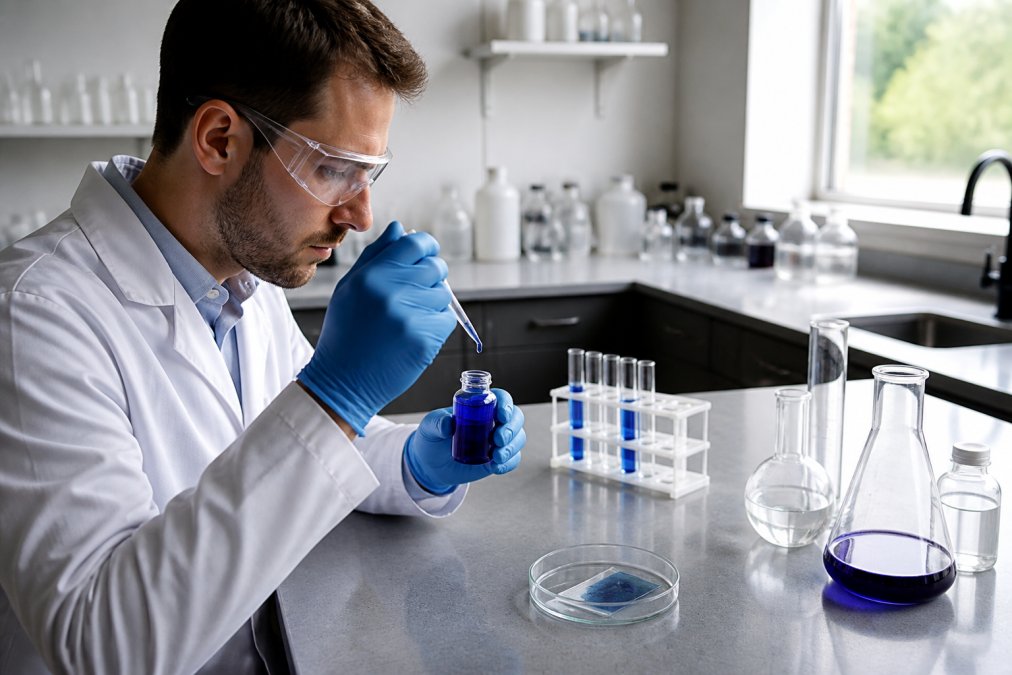
The clinical rationale is strong. Methylene blue has a long history of use and emerging research on cognitive applications, while NMN and resveratrol have been the subject of extensive longevity research. The inclusion of pterostilbene addresses resveratrol's bioavailability limitations, ensuring the polyphenol activity reaches therapeutic levels. This is a non-stimulant formulation, which means users avoid the jittery side effects and eventual crash associated with caffeine-based nootropics.
For those already taking other supplements, the question of redundancy is valid. Mito Stack is designed as a complete mitochondrial support protocol rather than a collection of isolated ingredients. If you are already taking high-dose NMN or resveratrol separately, you may be duplicating some components, but for most users, this consolidated approach simplifies supplementation while ensuring synergistic dosing. The product is manufactured in the USA and uses clinically studied compounds, addressing the sourcing and quality concerns that matter for long-term use.
How to Build a Biohacking Supplement Stack Without Waste
Building a biohacking supplement stack requires a strategic approach rather than impulse buying based on influencer recommendations. The most common failure is starting with products before understanding what your body actually needs. This section outlines a biomarker-first framework that moves supplementation from guesswork to an iterative optimization process.
Step 1: Establish a Baseline with Blood Work
Before spending money on supplements, invest in a comprehensive blood panel. Most practitioners recommend testing at least the following markers:
- Fasting insulin and glucose: Elevated fasting insulin is an early indicator of metabolic dysfunction. If your HOMA-IR (homeostatic model assessment of insulin resistance) score is above 1.5, addressing diet and exercise before adding supplements is critical.
- Lipid panel: Total cholesterol, LDL, HDL, and triglycerides provide a baseline for cardiovascular risk. Certain supplements like berberine can lower LDL, but you need a baseline to measure effect.
- Vitamin D (25-hydroxyvitamin D): Deficiency is widespread and affects energy, mood, and immune function. Optimal levels are generally considered 40-60 ng/mL.
- Thyroid panel (TSH, free T3, free T4): Subclinical hypothyroidism is underdiagnosed and can mimic the fatigue that many people try to supplement away.
- C-reactive protein (hs-CRP): This inflammatory marker helps determine whether an anti-inflammatory protocol (e.g., curcumin, omega-3s) is warranted.
- Complete blood count (CBC): A baseline CBC can reveal anemia or other issues that no nootropic will fix.
Most commercial lab panels cost between $150 and $400 out of pocket. Some direct-to-consumer companies offer at-home finger-prick tests, though venous draws are generally more accurate. If you have insurance, a physician can order these tests as part of an annual physical.
Step 2: Interpret Biomarkers Before Choosing Supplements
Once you have results, map them to supplement decisions:
Biomarker |
If Low/High |
Relevant Supplement Category |
|---|---|---|
Fasting insulin |
High |
Berberine, alpha-lipoic acid |
Vitamin D |
Low (<30 ng/mL) |
Vitamin D3 + K2 |
hs-CRP |
High (>1.0 mg/L) |
Curcumin, omega-3 fatty acids |
Homocysteine |
High (>10 μmol/L) |
Methylfolate, B12, B6 |
Ferritin |
Low (<30 ng/mL) |
Iron (only if confirmed deficient) |
Magnesium (RBC) |
Low |
Magnesium glycinate or threonate |
This approach prevents the most common waste: buying supplements for conditions you do not have. For example, if your hs-CRP is low, spending money on high-dose curcumin is likely unnecessary. If your vitamin D is optimal, additional supplementation provides little benefit.
Step 3: Layer by Priority, Not by Hype
After addressing any biomarker deficiencies, layer supplements by priority:
- Foundation: Mitochondrial support (NAD+ precursor, polyphenol, or a consolidated formula). This addresses energy production at the cellular level.
- Targeted gaps: Add compounds only for specific issues your baseline or symptoms reveal. For example, if you have chronic stress and elevated cortisol, add ashwagandha. If you have brain fog despite adequate sleep, consider methylene blue.
- Cyclical additions: Adaptogens like rhodiola are best cycled based on stress load rather than taken year-round.
Step 4: Track with Objective Metrics
Subjective tracking is useful but incomplete. Combine a daily log of energy, focus, and sleep with objective measurements where possible:
- Heart rate variability (HRV): A low-cost wearable can track HRV, which reflects autonomic nervous system balance. A consistent upward trend after adding a supplement suggests it is supporting recovery.
- Sleep quality: Use a sleep tracker to monitor deep and REM sleep stages. Many supplements claim to improve sleep, but the data will tell you if they actually do.
- Blood glucose: A continuous glucose monitor (CGM) can reveal how specific supplements affect postprandial glucose excursions, which is particularly useful for metabolic health.
Budget-Conscious Biohacking: Where to Spend and Where to Save
Biohacking does not require a premium budget. Prioritize spending on compounds with the strongest evidence and the highest risk of contamination:
- Spend on: NAD+ precursors (quality varies widely), methylene blue (purity is critical), and omega-3s (oxidation matters).
- Save on: Adaptogens like ashwagandha and rhodiola, which are widely available at reasonable prices from reputable brands. There is little benefit to paying premium prices for these.
- Skip: Proprietary blends that do not disclose individual ingredient doses. If a label does not tell you exactly how much of each compound is in the product, you cannot evaluate its efficacy.
The Safety of Biohacking Supplements: What to Check First
The safety of biohacking supplements depends less on the category and more on the specific product's quality, dosing, and your individual health status. Before adding any compound to your regimen, verify that the manufacturer conducts third-party testing for purity and potency. This protects against contamination and ensures you are getting the stated dose of active ingredients.
Contraindications deserve serious attention. Methylene blue interacts with SSRIs and SNRIs, creating a risk of serotonin syndrome, so anyone on antidepressant medication should consult a physician before use. (Typically high doses over 100mg).The National Institutes of Health fact sheet on dietary supplements emphasizes that supplements can interact with medications in ways that produce serious adverse effects. Similarly, those on GLP-1 medications for metabolic conditions should discuss supplementation with their prescribing doctor, as fatigue from these medications may have multiple causes that supplements alone cannot address.
Start with the lowest effective dose and assess tolerance before increasing. Most quality products provide dosage protocols that begin conservatively. Watch for digestive upset, headaches, or sleep disruption in the first week, as these often indicate dosing issues that resolve with adjustment. If you have existing health conditions or take prescription medications, a conversation with your healthcare provider is not optional, it is a prerequisite for responsible supplementation.
Which Biohacking Supplement Should You Try First?
If you are new to biohacking supplements, begin with a mitochondrial support product rather than isolated single compounds. The rationale is straightforward: mitochondrial function underpins energy production, cognitive performance, and recovery, so optimizing this system first creates a foundation that makes additional supplements more effective.
For most people, starting with a comprehensive formula like Mito Stack at $149.99 provides the clearest signal of whether this approach works for your body. The combination of methylene blue, NMN, resveratrol, and pterostilbene covers the core pathways in one product, eliminating the variables that make single-ingredient testing slow and confusing. Users may experience noticeable changes in mental clarity and sustained energy within the first few weeks, though some may require a month of consistent use to observe significant shifts.
Those currently taking other NAD+ boosters should assess whether they are seeing results before switching. If you have tried nootropics without effect, the difference with methylene blue is mechanistic. Most nootropics influence neurotransmitter levels, while methylene blue directly supports the electron transport chain, addressing energy production at its source. This distinction matters for people who have not responded to conventional cognitive supplements.
Conclusion
The biohacking supplement market rewards careful evaluation and punishes impulse buying. Products that target mitochondrial health with clinically studied compounds, transparent sourcing, and appropriate dosing represent the best biohacking supplements 2026 reviews can endorse. The evidence points away from stimulant-based approaches and toward formulations that support cellular energy production and NAD+ metabolism.
Mito Stack offers a consolidated approach to mitochondrial support, combining pharmaceutical-grade methylene blue with NMN, resveratrol, and pterostilbene in a non-stimulant, non-habit-forming formula. For those ready to move beyond guesswork and address the cellular foundations of energy and focus, exploring what a comprehensive mitochondrial support protocol can do is the logical next step. Get started with Mito Stack and explore the difference between temporary stimulation and sustainable cellular energy.
Frequently Asked Questions
Which biohacking supplements are backed by clinical research?
The strongest clinical evidence points to compounds that support NAD+ production and mitochondrial function. NMN and resveratrol have been studied for their role in cellular energy and longevity pathways. Methylene blue also shows promise in cognitive studies at low doses. When reviewing supplements, look for brands that use third-party testing and cite specific human studies. Avoid products that rely on proprietary blends, which hide exact dosages.
Are biohacking supplements regulated by the FDA?
The FDA regulates dietary supplements under the Dietary Supplement Health and Education Act, but it does not approve them before they reach the market. Manufacturers are responsible for ensuring their products are safe and labeled accurately. To reduce risk, choose supplements that undergo third-party testing for purity and potency. This is especially important for biohacking supplements, since many contain potent compounds like methylene blue or NAD+ precursors.
What is the difference between nootropics and biohacking supplements?
Nootropics are a specific category of supplements and drugs aimed at improving cognitive function like focus, memory, and clarity. Biohacking supplements is a broader term that includes nootropics but also covers compounds for physical recovery, longevity, and cellular health. A mitochondrial support supplement, for example, may boost energy and reduce fatigue. That is a biohacking goal, but it is not necessarily a nootropic effect.