

Posted by Editorial Team
on September 29, 2026

Table of Contents
- What Makes Pharmaceutical Grade Methylene Blue Different
- USP Grade Methylene Blue Benefits for Cellular Energy
- Is Methylene Blue Safe for Daily Use
- How to Use Methylene Blue Safely and Effectively
- Verifying Purity: Third-Party Lab Testing and COA
- Pharmaceutical Grade Methylene Blue vs. Lab-Grade Options
- Where to Buy Pharmaceutical Grade Methylene Blue
- Frequently Asked Questions
Last Updated: September 28, 2026
What Makes Pharmaceutical Grade Methylene Blue Different
Pharmaceutical grade methylene blue differs fundamentally from lab-grade or commercial-grade alternatives in purity, standardization, and safety assurance. When you buy pharmaceutical grade methylene blue, you're purchasing a compound that meets strict USP (United States Pharmacopeia) standards for identity, strength, quality, and purity. Lab-grade versions may contain impurities, inconsistent concentrations, or lack proper testing documentation that pharmaceutical-grade products require.

The distinction matters because pharmaceutical grade methylene blue is formulated for human consumption with documented safety protocols. USP grade methylene blue undergoes rigorous third-party testing to verify concentration levels, eliminate heavy metals, and confirm the absence of harmful solvents or contaminants. This standardization ensures batch-to-batch consistency, which is critical when you're using methylene blue for cognitive support or mitochondrial optimization.
Most biohackers and longevity enthusiasts overlook this distinction until they compare results. A 1% solution from a lab supplier might perform differently than a standardized pharmaceutical-grade formulation at the same concentration. The difference lies in how the compound was synthesized, purified, and verified. Pharmaceutical-grade products come with a Certificate of Analysis (COA) documenting exact purity levels, while lab-grade alternatives often lack this transparency.
USP Grade Methylene Blue Benefits for Cellular Energy
USP grade methylene blue supports mitochondrial function through its role as an electron carrier in cellular respiration (pubmed.ncbi.nlm.nih.gov). This compound accepts and donates electrons within the mitochondria, helping optimize ATP production, the cellular energy currency your brain and body depend on. When mitochondrial function declines, cognitive fog and fatigue follow. Pharmaceutical grade methylene blue addresses this at the cellular level.
The neuroprotective properties of methylene blue extend beyond energy production. It reduces oxidative stress by neutralizing free radicals that damage mitochondrial DNA and proteins. For individuals experiencing cognitive decline, fatigue from GLP-1 medications, or the mental fog of perimenopause, this oxidative stress reduction translates to measurable improvements in focus and mental clarity. The compound also supports NAD+ metabolism, which is why many formulations pair pharmaceutical grade methylene blue with NMN and resveratrol for synergistic benefits.
Athletes and high-performing executives report sustained mental clarity and faster recovery when using pharmaceutical-grade formulations. The standardized dosage ensures predictable bioavailability, meaning your body absorbs and utilizes the compound consistently. This reliability separates pharmaceutical-grade products from alternatives where concentration variability creates unpredictable results.
Is Methylene Blue Safe for Daily Use
Pharmaceutical grade methylene blue is safe for daily use when taken at appropriate dosages and with proper awareness of potential interactions. The safety profile improves significantly when you use a standardized, third-party tested formulation rather than unverified lab-grade alternatives. Daily use at recommended dosages has been studied in clinical contexts, and pharmaceutical-grade products provide documentation of this research.
Safety Profile and Dosage Considerations
Pharmaceutical grade methylene blue products come with clear dosage protocols that standardize dosage calculations, removing guesswork from supplementation.
Common side effects at appropriate dosages are minimal. Some users report mild blue discoloration of urine or stools, this is harmless and indicates the compound is moving through your system.
Drug-Drug Interaction Warnings
Methylene blue interacts with several medications, and this is where pharmaceutical-grade products with clear labeling provide essential protection. The most significant interaction occurs with serotonergic medications, SSRIs, SNRIs, and MAOIs (pubmed.ncbi.nlm.nih.gov). Combining methylene blue with these drugs can theoretically increase serotonin levels to dangerous levels, though clinical cases of this occurring are rare at typical supplemental dosages.
Watch Out
If you take any prescription medications, particularly SSRIs, SNRIs, MAOIs, anticoagulants, or tricyclic antidepressants, consult your healthcare provider before starting pharmaceutical grade methylene blue. Drug-drug interactions are rare at recommended dosages but require professional evaluation for your specific situation.
How to Use Methylene Blue Safely and Effectively
Standardized Dosage Protocols
The key is consistency. Pharmaceutical grade methylene blue compounds deliver optimal results when taken daily as directed, paired with adequate hydration and stable sleep. Sporadic use produces inconsistent results because the compound's benefits accumulate over weeks of consistent supplementation. Your mitochondria respond to regular support, not intermittent doses.
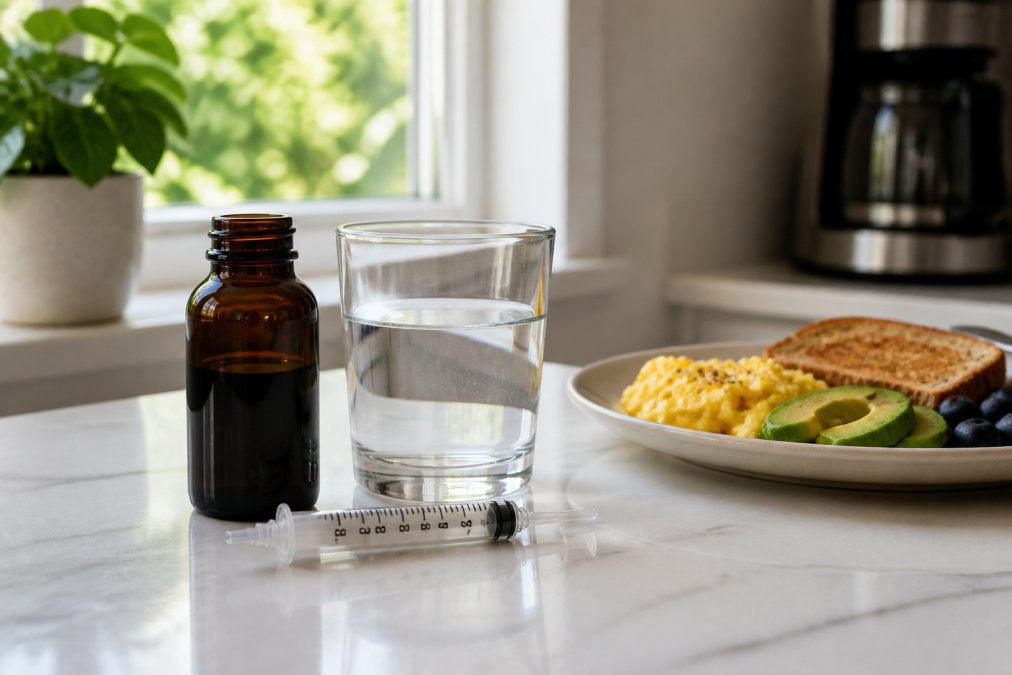
Converting Between Solution Concentrations: 1% vs. 5%
One of the most common sources of confusion is understanding the difference between a 1% solution and a 5% solution, and how to dose each correctly.
A 1% solution contains 10 mg of methylene blue per 1 mL. If your pharmaceutical grade product is labeled as 1%, then:
- 1 mL = 10 mg
- 5 mL = 50 mg
- 10 mL = 100 mg
- 15 mL = 150 mg
A 5% solution contains 50 mg of methylene blue per 1 mL. If your product is labeled as 5%, then:
Mito Stack – Dietary Supplement for →
- 1 mL = 50 mg
- 2 mL = 100 mg
- 3 mL = 150 mg
How to Dilute Concentrated Pharmaceutical Grade Methylene Blue
If you purchase a concentrated form (such as a 5% solution) and want to create a more dilute version for easier dosing, you can dilute it with distilled water. However, dilution must be done carefully to maintain accuracy.
Example: To create 50 mL of 1% solution from a 5% concentrate:
- Measure 10 mL of the 5% solution
- Add 40 mL of distilled water
- Mix thoroughly
- Store in an amber glass bottle
Cycling vs. Continuous Daily Use
Many biohackers follow a 5-day-on, 2-day-off protocol to prevent tolerance buildup. This cycling approach maintains sensitivity to the compound's benefits while giving your system periodic rest. Research on methylene blue tolerance is limited, but anecdotal evidence from the biohacking community suggests that cycling preserves the cognitive and energy benefits over months of use.
Storage in Amber Glass Bottles
Pharmaceutical grade methylene blue should be stored in amber glass bottles to maintain stability and potency. This protective packaging helps ensure the concentration remains accurate throughout the product's shelf life. Proper storage preserves the compound's efficacy and safety profile, ensuring each dose delivers consistent benefits.
Verifying Purity: Third-Party Lab Testing and COA
A Certificate of Analysis (COA) is your proof that pharmaceutical grade methylene blue meets published standards. However, a COA is only credible if it comes from a genuinely independent third-party laboratory, not the manufacturer's in-house lab. This distinction is where most consumers get misled. A manufacturer can claim "third-party tested" while sending samples to a lab they own or control.
How to Read and Verify a COA
Lab Identification: The COA must clearly state the independent lab's name, address, and accreditation status. Search the lab's name online or check A2LA's directory to confirm it is genuinely independent. If the lab's website lists the supplement brand as a client but shows no other clients, this is a red flag, legitimate labs serve dozens of manufacturers.
Red Flags That Indicate a Fake or Misleading COA
Generic or Undated COAs: If a manufacturer provides a COA with no batch number, no date, or language like "representative sample," it does not apply to your specific purchase.
How to Request a COA Before Buying
Reputable pharmaceutical-grade methylene blue manufacturers publish COAs on their website or provide them upon request. If a seller cannot provide a COA, or claims "COAs are proprietary," the product is not genuinely pharmaceutical grade. When requesting a COA, ask specifically for the batch number on the product you are about to purchase, not a generic or old COA.
Key Takeaway
A COA is non-negotiable when buying pharmaceutical grade methylene blue. Verify the COA comes from an accredited, independent lab; matches your product's batch number and label concentration; and includes heavy metal, microbial, and formaldehyde testing. If a manufacturer cannot provide this, the product may not be pharmaceutical grade, regardless of marketing claims.
Pharmaceutical Grade Methylene Blue vs. Lab-Grade Options
Lab-grade methylene blue costs significantly less than pharmaceutical-grade alternatives because it skips the testing, standardization, and documentation requirements. However, this cost savings comes with hidden risks. Lab-grade compounds may contain impurities, inconsistent concentrations, or lack proper handling documentation.
Best For
Biohackers and longevity enthusiasts committed to measurable cognitive and mitochondrial optimization should prioritize pharmaceutical grade methylene blue. The cost premium is modest compared to the consistency and safety assurance you gain. Lab-grade options suit budget-conscious explorers who prioritize cost over reliability.
Where to Buy Pharmaceutical Grade Methylene Blue
Pharmaceutical grade methylene blue is available through specialized supplement retailers, biohacking communities, and direct-to-consumer brands focused on cellular optimization. The most reliable approach is purchasing from manufacturers that provide full transparency: published COAs, clear dosage protocols, and documented third-party testing.
| Consideration | Pharmaceutical Grade | Lab Grade |
|---|---|---|
| Third-party COA | Yes, published | Rarely available |
| Purity verification | 99%+ documented | Unverified |
| Heavy metal testing | Confirmed | Often absent |
| Concentration consistency | Standardized | Variable |
| Dosage protocol | Clear guidelines | Unclear |
| Storage documentation | Amber glass required | Often not specified |
| Safety assurance | High | Low |
Frequently Asked Questions
Is methylene blue safe for daily use?
Pharmaceutical grade methylene blue is safe for daily use when taken at appropriate dosages. The key to safety is using USP-certified methylene blue from a reputable source and following standardized dosage protocols. Always consult with a healthcare provider before starting, especially if you take other medications, as methylene blue can interact with certain drugs including serotonergic medications and anticoagulants.
What is the difference between lab-grade and pharmaceutical-grade methylene blue?
Pharmaceutical-grade methylene blue meets USP (United States Pharmacopeia) standards for purity, concentration, and manufacturing quality, with third-party lab testing and Certificate of Analysis (COA) verification. Lab-grade methylene blue may not have the same rigorous testing or purity guarantees. Pharmaceutical grade ensures heavy metal testing, formaldehyde-free certification, and standardized concentration levels (typically 1% or 5% solutions). For human consumption and health applications, pharmaceutical grade is the safer, more reliable choice.
How do I verify the purity of methylene blue supplements?
Request the Certificate of Analysis (COA) from the manufacturer, which documents third-party lab testing results for purity, concentration, and contaminants. Verify the product carries USP certification and check for formaldehyde-free certification. Look for products stored in amber glass bottles, which protect against oxidative degradation. Reputable suppliers list batch numbers and testing dates. Avoid products without COA or third-party verification, as these lack accountability for actual purity and safety.
Are there risks to buying methylene blue online?
Yes, unverified online sources may sell impure, mislabeled, or counterfeit products lacking third-party testing. Risks include heavy metal contamination, incorrect concentration levels, and products that don't meet pharmaceutical standards. Buy only from established retailers who provide COA, USP certification, and transparent sourcing. Verify the seller's credentials and check for customer reviews from verified purchases. Reputable brands like Mito Stack offer pharmaceutical-grade formulations with full documentation and quality assurance.